
In almost every situation you find yourself in throughout the day, you are being inundated with information. Whether you’re walking down the street, watching TV, doom-scrolling on Instagram, or flipping through a magazine in the dentist’s waiting room, your brain is taking in boat-loads of sensory information.
But your brain is also choosing to tune most of it out. It’s the main reason why we aren’t all losing our sh*t from sensory overload all the time (just sometimes, right?). This auto-filter our brain applies to information that doesn’t really need our attention is a gift–and it’s also the reason your audience might be tuning out your brand.
In fact, most brands are invisible unless they pass through this mental filter. That’s because we’re only interested in digesting information that directly ties into our living experience, interests, lifestyles, and values.

If your marketing is considered too generic or irrelevant by your target audience, you’re missing out on sales, donations, awareness, and whatever else you use to weigh the success of your business or nonprofit.
The good news is that this isn’t a permanent problem and with some finessing of your brand messaging and strategy definition, you can catch your audience right when they’re ready to convert.
Want to understand why people tune out generic marketing messages and what you need to do to capture their attention? Keep reading.
Understanding the brain’s blindness to marketing tactics
I like to think of the brain’s built-in filter as a bouncer at a snobby club. This guy is only letting in the “who’s who” and letting everyone else shiver in their cute going out attire in the line wrapped around the block.
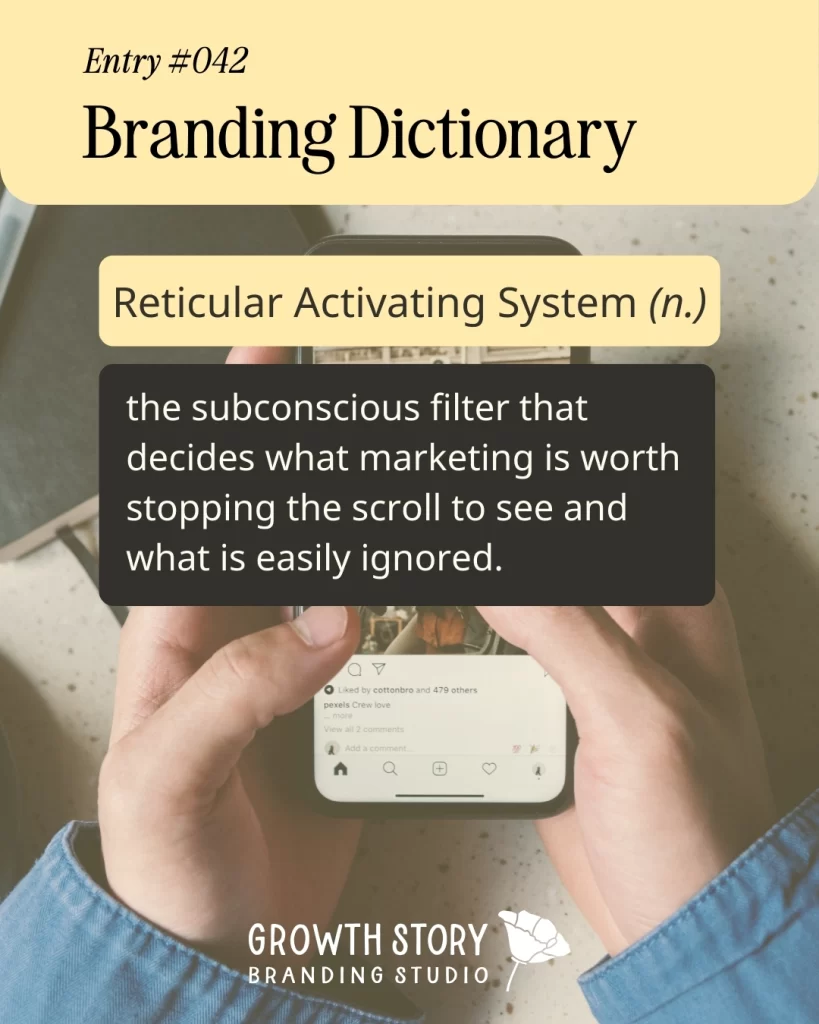
This filter is called the Reticular Activating System (RAS) and it decides what gets your attention and what gets ignored in the environment. It’s the reason why you might learn about a new concept and then see it pop up all over after. It’s also the reason why you might snap to attention after hearing your name whispered across the room at a party.
When it comes to marketing, the RAS helps us avoid consumer burnout by filtering out anything that doesn’t personally matter to us. So, if your brand’s values and marketing either don’t align with what your audience cares about or aren’t being made clear enough in marketing efforts, you’ll be ignored.
Stand for something or get left in the dust
Remaining generic can feel safe, comfortable, all-satisfying. But the reality is that a brand’s avoidance of taking a stance is alienating them from their ideal audience.
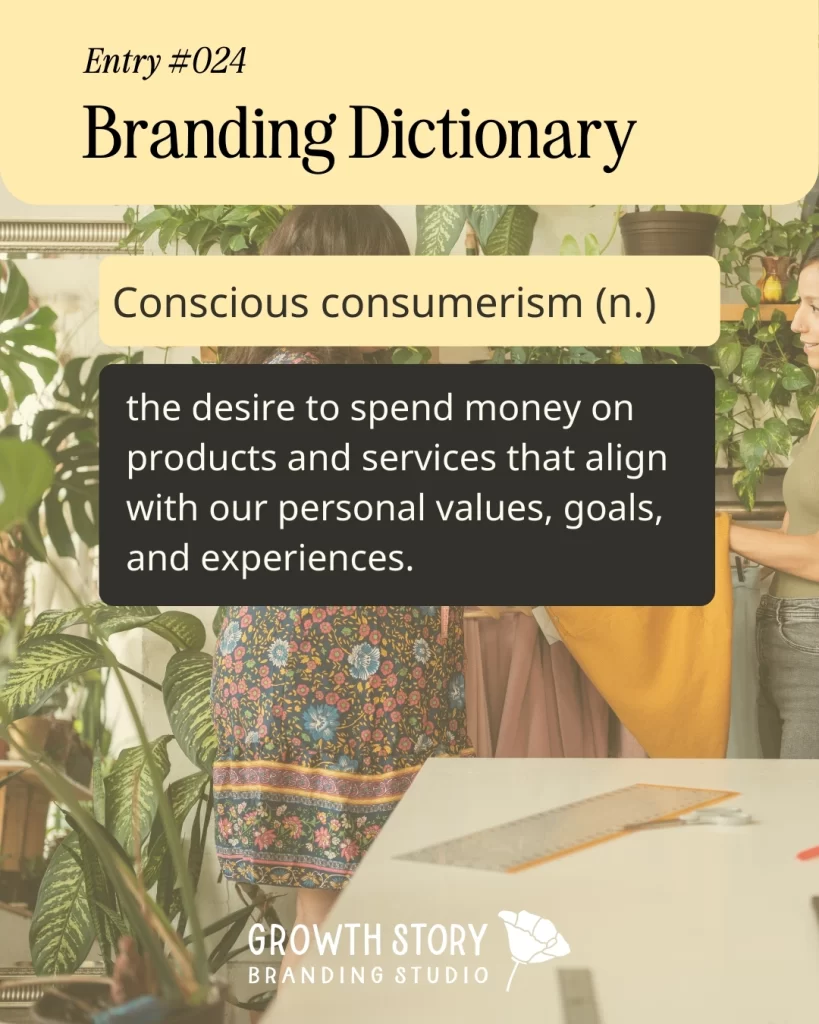
Conscious consumerism is the concept defined by the human desire to give money to products and services that reflect our values. We “vote” with our dollar by spending where we think we’re truly making a difference.
Customers want to support businesses that align with their beliefs, whether it’s sustainability, inclusivity, or ethical sourcing. Take Patagonia, for example. They don’t just sell outdoor gear—they champion environmental activism, and their customers love them for it. Glossier isn’t just a beauty brand; they’ve built a loyal following by celebrating natural beauty and community-driven product creation.
The takeaway? If your brand doesn’t stand for something, it blends into the noise. Consumers today are intentional with their spending, and brands that lead with clear, authentic values win their loyalty—and their dollars. Incorporating that authenticity is how to make your brand stand out.
Your brand story isn’t about you—it’s about your audience
Many founders make the mistake of focusing their brand story on how they started, rather than why it matters to their audience. Customers don’t just want to hear your journey—they want to see themselves in it. Your story should show how your brand solves their problems, aligns with their values, or improves their lives.
That doesn’t mean your origin story is off-limits. If it reflects a shared belief, struggle, or impactful vision, it can be a powerful connection point. Frame it in a way that allows your audience to see their own story in yours—that’s what makes it resonate.
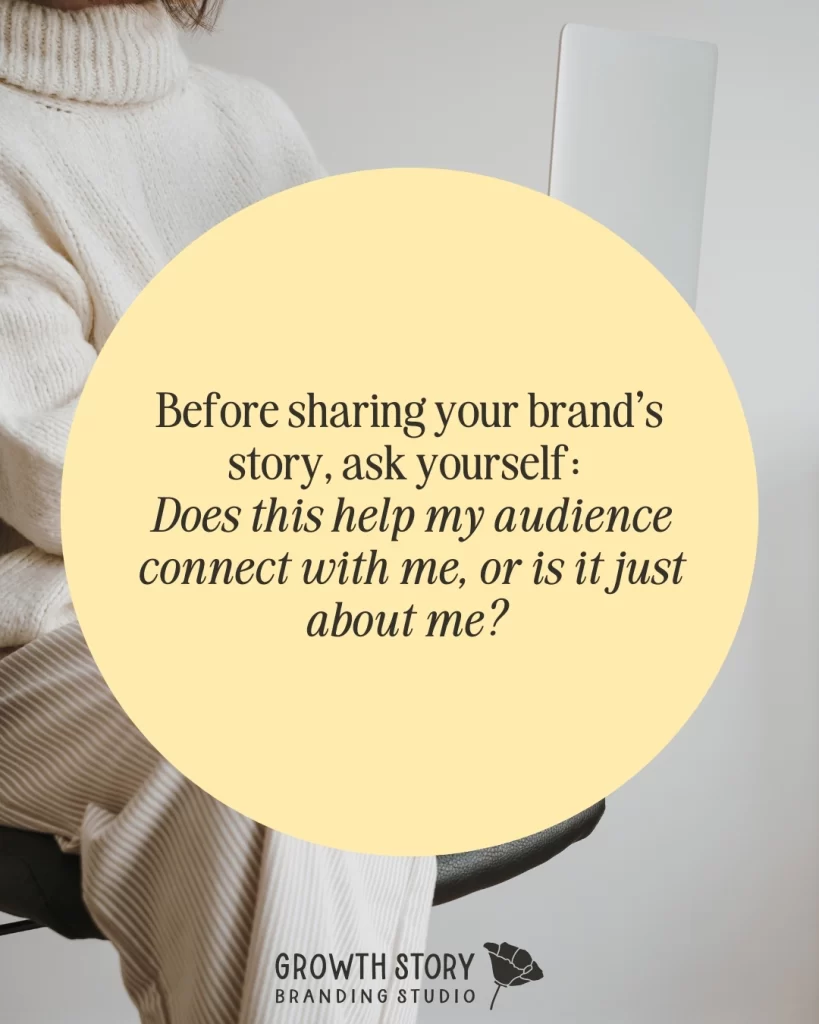
Before sharing your brand’s story, ask yourself: Does this help my audience connect with me, or is it just about me? When your story is told through the lens of your audience’s experiences, it stops being background noise—and starts being unforgettable.
Attention is currency: how to capture (and keep) it
In the era of 3-second Reels and TikTok’s banned–wait TikTok’s back–chaos, attention is the most valuable currency. People scroll past thousands of ads and posts daily, filtering out anything that doesn’t feel immediately relevant. If your brand’s messaging is vague, generic, or uninspiring, it won’t stand a chance.
So, how do you earn and keep attention? Be clear and bold about your brand values. Don’t make people guess what you stand for—show them. Consumers connect with brands that share their beliefs, so let your values shine in everything from your website copy to your social media presence.
Next, use emotionally-driven storytelling. People remember feelings better than facts. Tell stories that resonate with your audience’s struggles, dreams, and aspirations. Make them see themselves in your brand.
Finally, ditch generic sales language. “High-quality” and “best in class” mean nothing. A compelling brand voice—one that feels personal, confident, and distinct—will make your brand impossible to ignore.

The easiest way to fix your brand attention deficit
Here’s a challenge–run your brand through this quick checklist:
- Is your brand’s message immediately clear? If people have to guess who you are, what problems you exist to solve, and what your brand believes in, they’ll move on. Remember, you have 5 seconds or less to keep them scrolling on your website.
- Are you giving your audience easy ways to align with your brand? If your audience can’t see themselves in the story your branding and marketing are telling, they’re outta here. You can measure this in low time-on-page and high bounce rate stats in Google Analytics.
- Are your values and mission communicated in every customer touchpoint? Even if it seems like you’re repeating yourself all the time, you have to think about each touchpoint from the perspective of a prospective audience who has never heard of you. When someone starts from zero, what can they gather by looking at your Instagram profile or website home page?
These are common challenges that are solved by brand strategy development. A comprehensive brand strategy will define your mission and vision, develop your values, and create messaging guidelines for expressing them.
Once you have brand strategy and messaging work done for you, you won’t know how you ever functioned without them. They seriously make marketing take way less effort.
See what one of our clients said about the strategy and messaging we developed for her organization:
“Doing the [brand strategy] work gave me a tool that I can use in a variety of ways, from the website, to speeches and social posts. The brand voice work you did is like the Swiss Army knife of marketing!”
Ready to add this marketing multi-tool to your belt? Reach out to us today for a no-pressure discovery call where we can talk through your challenges and offer up some solutions.
Frequently Asked Questions
Brand messaging shapes how people perceive and connect with your business. In a busy market, clear and compelling messaging helps your brand stand out, attract the right audience, and build loyalty. Customers don’t just buy products—they buy into brands that align with their values and solve their problems. Without strong messaging, your brand risks blending into the background and getting ignored.
To stand out, your messaging needs to be clear, emotionally compelling, and values-driven. Avoid vague or generic language—focus on what makes your brand unique. Use storytelling to create an emotional connection, be bold about your brand values, and make sure every touchpoint (website, social media, emails) reinforces your core message. Consistency is key—if your message is scattered, your audience will be too.
Conscious consumerism is when people make purchasing decisions based on their values, such as sustainability, inclusivity, or ethical practices. More than ever, consumers choose brands that align with their beliefs. If your brand’s messaging reflects a strong mission or purpose, you’ll attract loyal customers who aren’t just buying a product—they’re supporting a movement. Brands without clear values often struggle to connect with modern consumers.
Your brand story isn’t just about how you started—it’s about why it matters to your audience. Frame your story around the challenges, desires, or aspirations of your ideal customer. Show them how your brand fits into their journey. If your origin story highlights shared values or experiences, use it strategically to create connection, but always make your audience the hero of the story.