
In the world of branding, we often focus on logos, color palettes, and typography—the visual foundations that help businesses stand out. But there’s another powerful branding element that many purpose-driven brands overlook: the brand mascot.
Sometimes, a mascot just makes sense. You know it when you see it—that perfect character that embodies everything a brand stands for without saying a word. When done right, a mascot isn’t just cute or clever—it’s a strategic asset that brings your brand to life in ways other elements simply can’t.
At Growth Story, we believe in strategy-first branding decisions. So before you rush off to create your own quirky character, let’s explore why a mascot might be the secret ingredient your brand identity has been missing.
What exactly is a brand mascot?
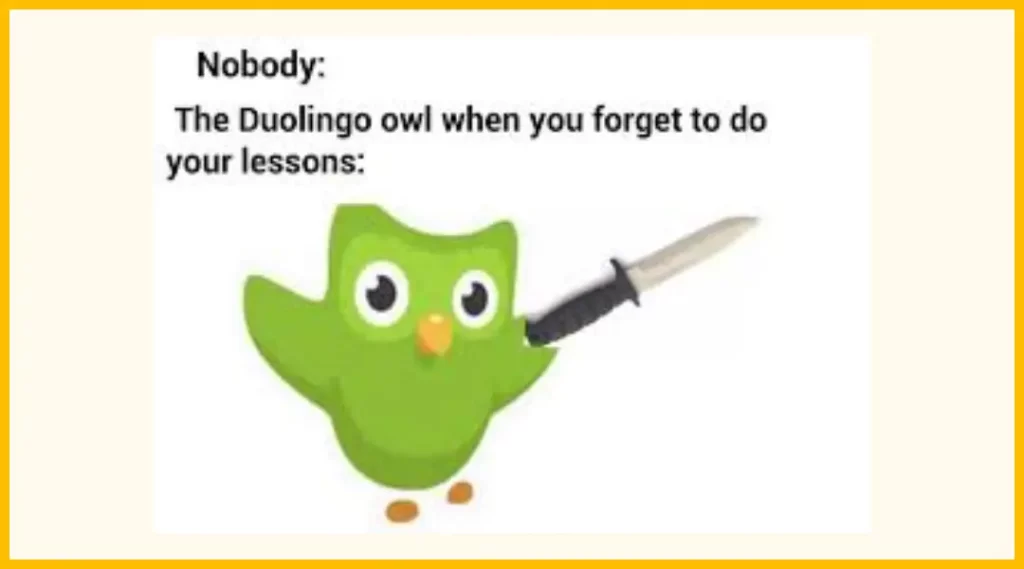
A brand mascot is a character (animal, person, or even an object) that represents your brand’s personality and values. Think of the Geico Gecko, the Duolingo Owl, or the Mailchimp Monkey, characters who have become inseparable from their brands.
For purpose-driven organizations, a mascot can be particularly powerful, adding warmth and approachability to causes that might otherwise feel distant or complex. For businesses that lead with their values upfront, a mascot can provide a cheeky outlet for brand messaging that is maybe a little more casual than what you’d write in a press release.
Four compelling reasons to consider a brand mascot
1. Provides an alternative voice and perspective
One of the most valuable aspects of a brand mascot is that it gives you an alternative storytelling vehicle. Instead of always communicating directly as your company, your mascot can offer a different perspective—often one that’s more playful.
This creates flexibility in your messaging strategy. When sensitive topics need addressing, your mascot can step in with a gentler touch. When celebration is in order, your mascot can be more exuberant than might feel appropriate coming directly from your brand.

2. Permission to be a little more spunky
Let’s be honest: professional services businesses (like many of our clients at Growth Story) often walk a fine line between being authoritative and being boring. A mascot gives you permission to inject personality and humor into your communications without undermining your expertise.
Your mascot can say the things you might hesitate to say. It can make the jokes that might otherwise seem unprofessional. It can bring levity to serious topics while still respecting their importance.
3. Creates another connection point with your audience
Different people connect with brands in different ways. Some resonate with your mission statement. Others connect with your founder’s story. And some will fall in love with your mascot.
By adding this additional layer to your brand identity, you’re creating another potential entry point for connection. For some prospective clients, your mascot might be the element that makes your brand memorable in a sea of similar options.
4. Maintains brand continuity even when you’re not directly involved
This benefit is particularly valuable for small businesses and solopreneurs. Your mascot can create what I like to call a “panopticon-style service continuity”—it represents your brand’s ongoing presence even when you’re not directly working with a client.
Through email newsletters, social media posts, or even automated check-ins, your mascot can maintain the relationship, embodying your brand values and voice in a way that feels personal without requiring your constant attention.
Examples of mascots from our clients

The Glamplifier of Heather Writes Copy
When boutique SEO agency Heather Writes Copy (HWC) approached us for a complete brand overhaul, we developed messaging centered around “SEO and email marketing for brands that give a damn”—positioning that immediately clarified their purpose and attracted their ideal clients.
But great positioning was just the beginning. The technical nature of SEO often leaves clients wondering what’s actually happening behind the scenes—and that’s where our mascot strategy completed the brand story.
Enter The Glamplifier: a glittering disco ball that reflects “the voices that matter” while embodying the 24/7 visibility magic that HWC delivers. This wasn’t just any mascot—it was the perfect character to transform abstract SEO concepts into something clients could connect with emotionally.
The Glamplifier emerged naturally from our conversations about continuous visibility and amplification.
HWC took the mascot and ran. Some Glamplifier messaging elements:
- “You can sleep. The Glamplifier doesn’t”
- “A gradual increase in Search Console clicks and impressions 3-6 months from now? That’s the Glamplifier working her magic. The girl doesn’t quit.”
- The newsletter is called “Confessions of a Glamplifier”

What makes The Glamplifier particularly effective is how strategically she’s deployed. She appears primarily in onboarding materials, email sequences, and as a signature character in recurring content—adding a light, playful touch to most touchpoints. She keeps the brand feeling human and whimsical while reinforcing HWC’s core promise: peace of mind through sustainable SEO practices.
The Glamplifier isn’t just cute; she’s a strategic communications asset that:
- Makes abstract SEO concepts tangible and memorable
- Creates continuity between the active project phase and the “results” phase
- Gives funky, fun, and “bigger than boutique” legitimacy to the brand
- Gives clients an emotional touchpoint to align with pre-purchase

Cornelia of Less Than Half
Sometimes the mascot already exists visually—it just needs a voice. That was the case with Cornelia, the watercolor creation of artist Gaby Harrison for Less Than Half, an organization dedicated to increasing representation of women artists in the art world.
While Cornelia’s vibrant visual presence was established, she needed a personality and voice that could carry the weight of the organization’s mission. Our task? Transform this artistic figure into a bold advocate capable of challenging the status quo with both wit and wisdom.
We developed comprehensive messaging guidelines that turned Cornelia from an illustration into the driving force behind Less Than Half’s brand. Our strategy positioned her as “the bold, fiery friend who’s unafraid to call out injustice,” using humor and urgency to inspire action.
The voice attributes we created for Cornelia—bold, witty, conversational, passionate, celebratory, and informed—allow her to speak directly to culturally engaged individuals without falling into either overly academic or “girl boss” clichés.
When Cornelia says, “Enough with the waiting! It’s time to get more women behind the canvas,” her audience feels both the urgency and authenticity of the message.
By developing clear DOs and DON’Ts for Cornelia’s communication, we ensured the mascot would consistently embody Less Than Half’s mission across all channels—from social media to event materials. The result is a mascot that doesn’t just represent the brand but actively advances its purpose, rallying supporters with personality and passion rather than generic calls to action.
Is a mascot right for your brand?
Not every brand needs a mascot. If you’re considering adding one to your identity, ask yourself:
- Does a mascot align with your brand strategy and target audience?
- Can you commit to consistently incorporating this character across platforms?
- Does your brand have the creative resources to develop and maintain a mascot?
- Would a mascot help communicate your brand’s story and values?
Getting started with your brand mascot
If you’ve decided a mascot is right for your purpose-driven brand, start with these steps:
- Begin with strategy: Just like any branding element, your mascot should emerge from your overall brand strategy, not just what seems cute or trendy.
- Consider your brand values: What character would embody these values? What personality traits should it have?
- Think about practical applications: How will this mascot appear across different platforms? Will it need different poses or expressions?
- Start small: You don’t need to launch with a fully developed mascot universe. Begin with a simple character and let it evolve as you see how your audience responds. In the case of Less Than Half, Cornelia has evolved from one portrait to a mascot posed in several different positions.
Your brand’s next chapter
Adding a mascot to your brand identity isn’t just about creating a cute character—it’s about adding dimension to your story. It’s about giving your audience another way to connect with your purpose and mission.
At Growth Story, we’re passionate about helping purpose-driven brands tell their stories in ways that build genuine connection. Sometimes that means developing a comprehensive brand strategy. Sometimes it means refining your messaging. And sometimes, it means creating a lovable mascot that embodies everything your brand stands for.
Your brand’s next chapter might just include a new character. Let’s make it best-selling.
Want to explore whether a brand mascot is right for your purpose-driven organization? Let’s chat! Schedule a discovery call with Growth Story today.
Frequently asked questions about brand mascots
Research shows that brand mascots can increase emotional connection with customers by up to 41% and campaigns featuring mascots are 37% more likely to increase market share than those without. Mascots work by humanizing brands, making them more relatable and memorable while creating an emotional touchpoint that helps differentiate your business in a crowded marketplace. They’re particularly effective for service-based businesses where the work happens “behind the scenes.”
While mascots can benefit many industries, they’re particularly effective in sectors where playfulness is celebrated, like fast food, packaged goods, and breweries. For service-based businesses, mascots can effectively communicate complex or invisible work (like SEO and consulting) by giving customers something tangible to connect with. The key is ensuring your mascot aligns with your brand values and target audience expectations rather than following industry norms.
For maximum impact, integrate your mascot across social media platforms, promotional campaigns (both print and digital), email communications, and branded merchandise. Keep your mascot relevant by evolving its appearance and personality over time while maintaining its core traits. The most successful mascots appear consistently but in contextually appropriate ways—showing up in onboarding materials, recurring content, and key customer touchpoints to reinforce your brand’s unique personality and values.