
According to recent surveys, as many as 76% of consumers say they intend to shop more with retailers that offer environmentally friendly products and services. This statistic highlights a significant shift in consumer behavior. Today’s buyers are not just looking for quality and affordability; they’re also prioritizing sustainability and ethical practices. For brands, understanding this is a golden opportunity to tap into a growing market: how to reach eco-conscious consumers.
The rise of the eco-conscious buyer persona is reshaping the marketplace. These individuals are driven by a desire to reduce their environmental impact, support ethical practices, and contribute to a sustainable future.
They’re willing to pay a premium for products that align with their values, making it crucial for brands to adapt. Understanding and appealing to these consumers can significantly boost your brand’s reputation and bottom line.
In this guide, we’ll explore effective strategies to engage and connect with eco-conscious consumers. From building a sustainable brand identity to developing eco-friendly products, and leveraging the power of content marketing, we’ll provide you with the tools you need to capture the hearts and wallets of the eco-conscious audience.

Understanding the Eco-Conscious Consumer
To effectively reach eco-conscious consumers (sometimes referred to as eco-warriors), it’s essential to understand who they are and what drives their purchasing decisions. By gaining insights into their motivations and behaviors, you can tailor your marketing strategies to resonate with this audience.
We’re detailing the characteristics and importance of eco-conscious consumers, so you can better understand how to engage this vital market segment, increasing sales or nonprofit impact.
Who Are They?
Hippies aren’t the only ones who care about sustaining the ecosystem anymore. Plenty of buttoned-up (or Patagonia vest-clad) business executives are driving a Prius, opting for a reusable coffee cup, and composting food waste.
Eco-conscious consumers span various demographics but often share key psychographic traits.
Demographically, they are typically:
- Millennials and Gen Z
- Educated and tech-savvy
- More likely to reside in urban areas
Eco-conscious individuals value:
- Sustainability
- Ethical sourcing
- Transparency
- Local and small businesses
Their motivations include:
- Reducing environmental impact
- Supporting nonprofit organizations
- Supporting fair labor practices
- Fostering community well-being
An important thing to keep in mind: Eco-conscious consumers prioritize brands that reflect their values, often engaging in research to verify claims of sustainability (which is why it’s crucial brands avoid backlash caused by greenwashing.
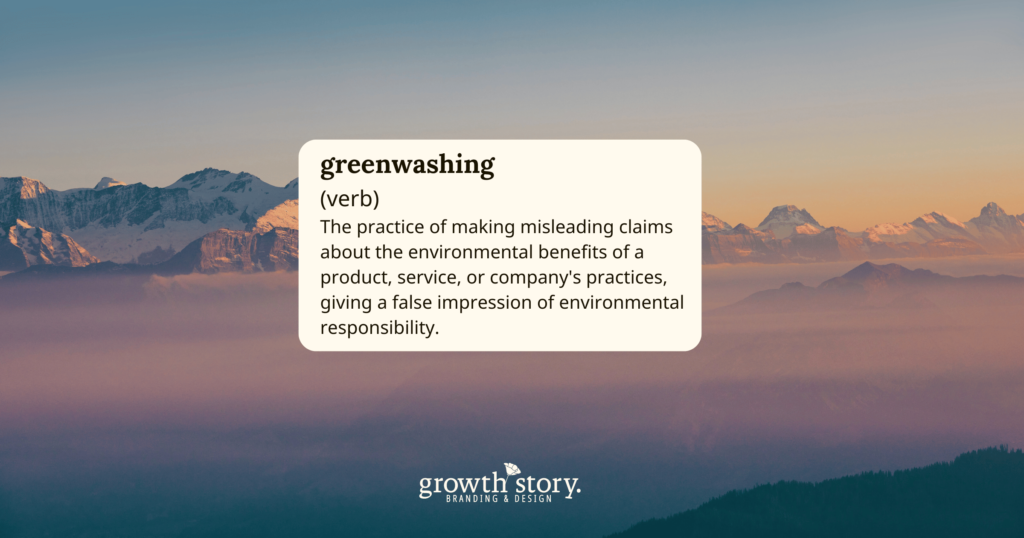
Understanding these traits and values is important for crafting messages and developing products that resonate with this informed and passionate group of consumers.
Which Platforms Are Eco-Conscious Consumers On?
Eco-conscious consumers are very active online, frequenting platforms and communities that focus on sustainability and ethical living.
They spend time on social media platforms like Instagram and Pinterest, following eco-friendly influencers and brands. They participate in forums and groups on Reddit and Facebook dedicated to environmental topics. Additionally, they read blogs and subscribe to newsletters from green lifestyle websites.

Engaging with these consumers on these platforms by sharing relevant content and participating in discussions can effectively increase your brand’s visibility and credibility in the eco-conscious community.
Why They Matter
Eco-conscious consumers represent a rapidly growing market segment with significant influence on brand reputation and sales. Market trends show a sharp increase in the demand for sustainable products.
According to a Nielsen report, 73% of global consumers would likely change their consumption habits to reduce their environmental impact. Additionally, a study by NYU Stern found that products marketed as sustainable grew 5.6x faster than non-sustainable ones.
These consumers wield considerable purchasing power and are willing to pay a premium for products aligning with their values. Brands prioritizing sustainability see impressive loyalty from eco-conscious consumers as they frequently stick with companies they trust to uphold ethical standards.
The influence of the eco-conscious consumer extends beyond direct sales. Their advocacy and recommendations can boost a brand’s reputation significantly. Positive endorsements from this group enhance brand visibility and credibility, attracting a broader audience.
Building a Sustainable Brand Identity
To genuinely incorporate sustainability into your brand, start by integrating eco-friendly practices at every level of your business, from positioning statements to sourcing materials to production and packaging.

Clear and honest communication and use of an authentic brand voice is crucial. Use your website, social media, and packaging to share your sustainability journey, including challenges and achievements. Consumers appreciate authenticity and are more likely to trust brands that are open about their practices.
Tactics to Engage Eco-Conscious Consumers
Engaging eco-conscious consumers requires a thoughtful approach that aligns with their values and expectations. The following are practical tactics to engage eco-conscious consumers.
Content Marketing Strategies
Creating compelling content that highlights your sustainability efforts is essential to engaging eco-conscious consumers. Use storytelling to share your brand’s journey towards sustainability, using real-world impacts and personal anecdotes. Highlight your initiatives, challenges, and successes in blogs, videos, and social media posts.
Here are some topics and keywords you might include in content marketing strategies aimed toward reaching an eco-conscious audience:
| Eco-Friendly Practices | Sustainable Living |
| Zero waste Low impact Plastic-free Minimalist Recyclable Upcycled | Sustainability Eco sustainable Sustainable living Eco-friendly Environmentally friendly Eco-conscious Green living |
| Ethical and Natural Products | Energy and Climate |
| Organic Plant based Natural Ethical Fair trade Biodegradable | Renewable Carbon neutral Clean energy Climate action Eco-positive Regenerative |
| Eco-Conscious People | Locavore Movement |
| Environmentalist Eco-warrior Green living specialist Earth lover Climate activist Locavore Eco-activist Green consumer Conscious consumer Planet protector Environmental advocate | Permaculture Regenerative agriculture Local food Organic farming Community-supported agriculture (CSA) Farm-to-table Slow food Seasonal eating Food miles Hyperlocal |

Social Media and Influencer Marketing
Leverage social media to showcase your eco-friendly initiatives through engaging posts, Instagram stories, and videos. Highlight your sustainability efforts and encourage user-generated content.
Partner with influencers who advocate for sustainability to expand your reach and credibility. Their authentic endorsements can effectively amplify your message, attracting and engaging eco-conscious consumers on platforms they trust.
Community Involvement and Activism
Get involved in environmental causes by supporting local and global initiatives, participating in clean-up events, and partnering with eco-focused organizations. Promote these efforts through your channels, encouraging your audience to join in.
By fostering a community around sustainability, you not only enhance your brand’s credibility but also inspire your consumers to support and engage in eco-friendly practices.
Case Studies: Brands Doing It Right
Here are three examples of brands who leverage sustainability to create brand loyalty that resonates with eco-conscious consumers.
Patagonia
Patagonia is renowned for its comprehensive sustainability practices and profound impact on the environmental movement. The company incorporates eco-friendly materials, such as organic cotton and recycled polyester, into its products. Patagonia also promotes fair labor practices and transparency through its supply chain.

Their Worn Wear program encourages customers to repair, reuse, and recycle clothing, reducing waste. Additionally, Patagonia donates 1% of sales to environmental causes and actively engages in environmental activism, from fighting climate change to preserving public lands.
Patagonia’s commitment to sustainability has built a loyal customer base and set a high standard for corporate environmental responsibility.
Seventh Generation
Seventh Generation has built a loyal eco-conscious consumer base by prioritizing sustainability and transparency in its product offerings. The company uses plant-based, biodegradable ingredients and zero-waste packaging materials, minimizing environmental impact.
Their commitment to social responsibility includes supporting fair trade and advocating for climate justice and environmental policy changes. Through clear labeling and detailed sustainability reports, they demonstrate their ongoing efforts to improve environmental performance.
This dedication to genuine, eco-friendly practices has resonated with consumers who seek to make responsible purchasing decisions, fostering strong brand loyalty.
Beyond Meat
Beyond Meat has revolutionized sustainability in the food industry with its innovative plant-based meat alternatives. By using pea protein, beet juice, and other plant-based ingredients, Beyond Meat significantly reduces the environmental impact associated with traditional meat production.
Their products require less water, land, and energy while generating fewer greenhouse gas emissions. Beyond Meat also emphasizes transparency in sourcing and manufacturing processes, appealing to eco-conscious consumers.
By providing sustainable alternatives to animal protein, Beyond Meat addresses ethical, environmental, and health concerns, attracting a loyal customer base committed to reducing their ecological footprint through mindful eating choices.

And the brand’s eco-sustainable actions are verifiable, as they’ve published an environmental, social and governance (ESG) report with insights about the company, its approach to ESG, climate impact, supply chain responsibility, internal culture and inclusion of DEI positioning, and business ethics.
Elevate Your Brand’s Sustainability Journey
Reaching eco-conscious consumers requires a strategic approach that aligns with their values and commitment to sustainability. Building a sustainable brand identity involves authentic practices, transparent communication, and avoiding greenwashing.
By implementing these strategies, you can attract and retain eco-conscious consumers, building a loyal customer base and enhancing your brand reputation. However, navigating the path to sustainability can be complex, and partnering with experts can make a significant difference. Sustainability needs to seep into each aspect of your comprehensive brand identity.
Growth Story specializes in helping brands develop and communicate their sustainability efforts effectively. Whether you’re an early-stage startup or an established organization needing a refresh, let us guide you in creating a compelling, eco-friendly, and bold brand narrative that resonates with your audience and drives sales, donations, or involvement – whatever your organization is seeking from eco-conscious consumers.
Frequently Asked Questions
Small businesses can implement sustainable practices on a budget by starting with simple steps like reducing energy consumption, minimizing waste, and sourcing locally. Implement energy-efficient lighting and appliances, promote recycling and reusable products, and partner with local suppliers to cut down on transportation emissions. Additionally, educate employees on eco-friendly practices and leverage social media to share your sustainability efforts, building brand loyalty without significant costs.
Common misconceptions about eco-friendly products include the beliefs that they are always more expensive, less effective, or harder to find. Many think eco-friendly products lack variety or compromise quality. However, advances in sustainable technology have made these products more affordable, efficient, and widely available. Additionally, eco-friendly options often provide long-term cost savings and benefits that outweigh initial investments.
Educate your customers about sustainability by sharing informative content through blogs, social media, and newsletters. Highlight your eco-friendly practices, explain their benefits, and provide tips for sustainable living. Use storytelling to connect emotionally and showcase real-world impacts. Host workshops, webinars, or events focused on sustainability, and encourage customer participation in eco-friendly initiatives to foster a community of informed, conscious consumers.
Certifications play a crucial role in building trust with eco-conscious consumers by providing verified proof of a brand’s sustainability claims. Recognized certifications like Fair Trade, USDA Organic, or Energy Star assure consumers that products meet stringent environmental and ethical standards. This transparency and credibility help build consumer confidence and loyalty, demonstrating a genuine commitment to sustainability.
To ensure your brand’s sustainability efforts are seen as genuine, practice transparency by sharing detailed, verifiable information about your initiatives. Regularly update your audience on progress and challenges, and avoid exaggerating claims to prevent greenwashing. Engage with your community, respond to feedback, and showcase third-party certifications. Highlight real-world impacts through authentic storytelling to build trust and credibility.